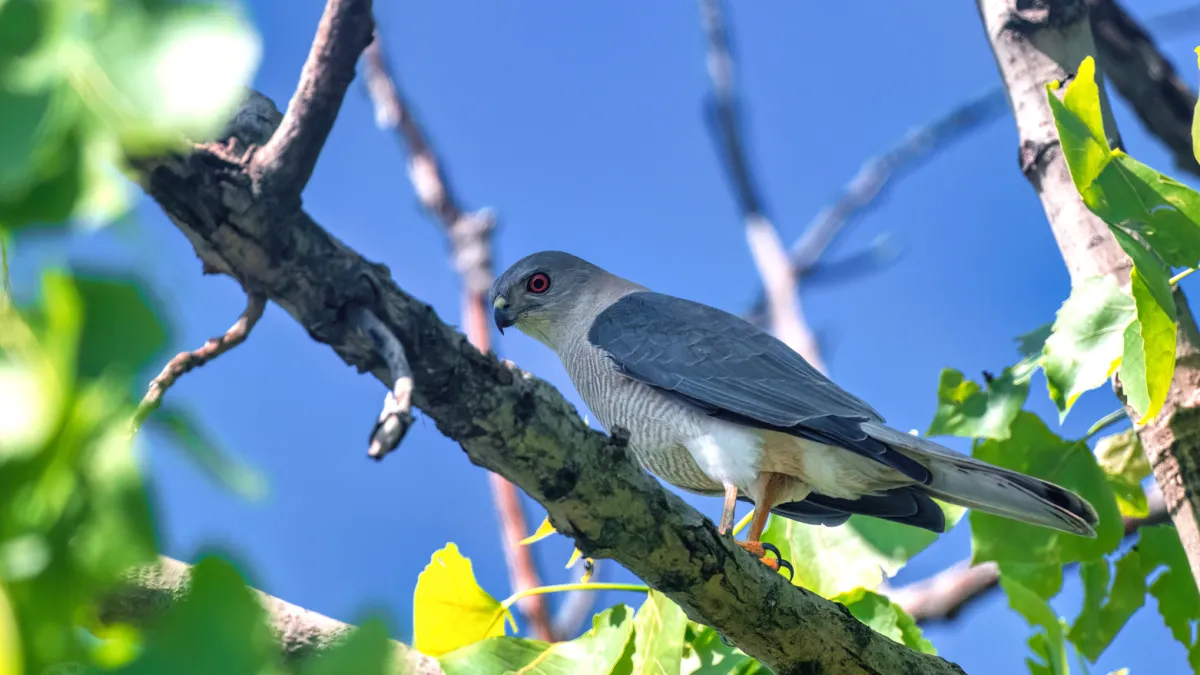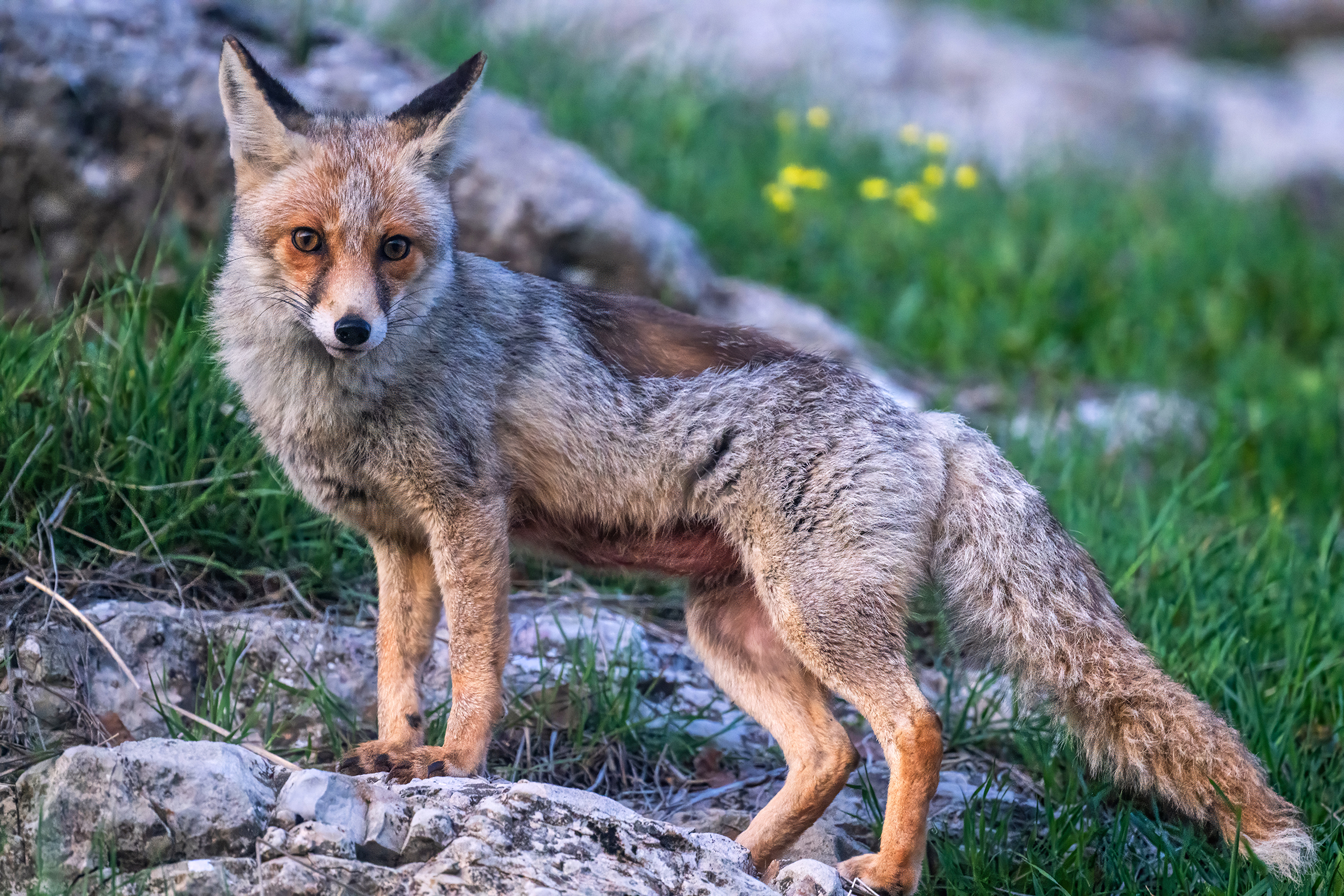
When people think about wildlife in Kurdistan, Chukar, See-see partridge, house sparrow and golden jackal often come to mind. But after research and field surveys by our researchers, the records show a much more diverse and wider range of species including less familiar mammals, birds, reptiles and amphibians.
Through Climate.KRD, Kurdistan Foundation is working with researchers and wildlife photographers to bring this information into one accessible platform. The aim is to make existing knowledge easier to find and use, while providing a foundation to grow upon.
Behind each species entry is someone’s work. A photograph may come from hours spent observing and waiting for the right time. A species identification may also require consultation with other experts to verify whether a species is confirmed and part of Kurdistan’s nature. Location diversity is another factor about a species and its distribution across different eco systems.
The project brings together contributions from Dr. Korsh Ararat, Dr. Sulaiman Tamer Saeed, Ibrahim Ziad, Mohammed Dler, Rawezh Osman, Saber Dri, Soma I. Majeed and Soran H. Ahmed. Their contributions span species identification, wildlife photography, field research and animal care. Kurdistan Foundation’s role is to bring these contributions together, support their review and make them available to a wider audience.
A scientific name may be available while the Kurdish name still needs checking. A photograph may clearly show the animal, but its location may need more detail. Some entries require further discussion with the contributing researcher. These are practical challenges we face that shape how our database develops.
Interpreting the information is also another factor. A governorate with more records does not necessarily mean more biodiversity than another. Some governorates may have received more research, has been visited more frequently by photographers or just have more information available to our project. Likewise, an animal or plant missing from the database should not be considered absent from Kurdistan either.
For these reasons and more, the database should be understood as a growing record rather than a finalized complete inventory. This helps us show what has been documented so far and what needs more work.
Until now, we have collected 844 animal species and 1408 plants through our researchers and team and as we grow, we estimate the records to surpass a hundred thousands species in Kurdistan region of Iraq.
As the database grows, Kurdistan Foundation will continue working with researchers and wildlife photographers to strengthen the records and make them useful to students, communities and those involved in conservation. We hope this shared effort will encourage more people to contribute their knowledge and help build a better understanding of the species and habitats that need our attention and care.
Kawan H. Abdullah - Climate Specialist
Photographer: Saber Dri